Lexile reading levels are a valuable tool for teachers, parents, and students. They provide a way to measure a reader’s ability and match them with books at the right level of difficulty. Understanding Lexile levels by grade helps support reading development and ensures that students are both challenged and engaged.
What Is a Lexile Score?
A Lexile score is a numeric measurement of a reader’s ability or the difficulty of a text. It ranges from below 200L for beginner readers to above 1600L for advanced readers. Lexile scores are determined by analyzing sentence length and word frequency. The higher the Lexile level, the more complex the text.
Lexile scores are widely used in schools to track progress and recommend reading material. They can help students improve comprehension by reading texts that are not too easy or too hard.
Why Lexile Levels Matter
Lexile levels serve as a guide, not a strict rule. Students don’t all read at the same pace or level, even within the same grade. Having a chart helps parents and educators identify where a student falls and find books that match their needs.
Reading material at the 3rd grade reading level supports growth in vocabulary, comprehension, and overall literacy. It also helps build confidence by allowing students to experience success in reading.
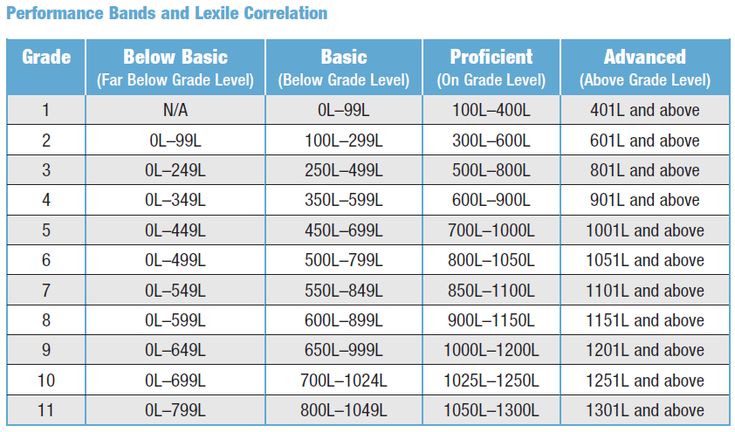
Lexile Reading Levels by Grade Chart
Below is a general breakdown of Lexile levels by grade. Keep in mind that individual reading levels may vary widely.
Kindergarten (K)
- Lexile Range: BR (Beginning Reader) to 200L
- At this stage, children are just starting to understand letters, sounds, and simple words. Books with pictures and simple sentences are ideal.
1st Grade
- Lexile Range: 190L to 530L
- First graders begin forming basic sentences and reading short paragraphs. Books with familiar vocabulary and illustrations are appropriate.
2nd Grade
- Lexile Range: 420L to 650L
- Students can handle more complex sentences and begin understanding story structure. Chapter books with simple plots are often introduced.
3rd Grade
- Lexile Range: 520L to 820L
- Reading becomes more fluent. Students understand context and start to read for information. Non-fiction books become more accessible.
4th Grade
- Lexile Range: 740L to 940L
- Students can read longer texts with deeper meaning. They are introduced to abstract concepts and begin thinking critically about what they read.
5th Grade
- Lexile Range: 830L to 1010L
- At this level, readers are able to analyze themes, plot, and character development. Both fiction and non-fiction materials become more complex.
6th Grade
- Lexile Range: 925L to 1070L
- Students are transitioning into more mature themes and sophisticated vocabulary. They begin comparing texts and drawing inferences.
7th Grade
- Lexile Range: 970L to 1120L
- Reading assignments may include historical texts, scientific articles, and literature with symbolism and nuanced meaning.
8th Grade
- Lexile Range: 1010L to 1185L
- Students continue developing analytical skills and are expected to support arguments with evidence from the text.
9th–10th Grade
- Lexile Range: 1050L to 1335L
- At this stage, students encounter complex literature and technical writing. They are expected to evaluate and synthesize information.
11th–12th Grade
- Lexile Range: 1100L to 1385L
- Reading includes advanced academic texts and classic literature. Students prepare for college-level reading and independent study.
Using the Chart Effectively
Parents and educators can use this chart to select appropriate reading materials. Tools like the Lexile Find a Book website help match books to a reader’s Lexile level. Encouraging reading at the right level can help improve fluency, comprehension, and academic success.
It’s also important to allow students to read books they enjoy, even if they are slightly above or below their Lexile range. Reading for fun boosts motivation and builds lifelong habits.
Final Thoughts
The Lexile reading levels by grade chart is a helpful guide for supporting reading development. While not the only measure of reading ability, it offers insight into what students can read and comprehend. With the right balance of support and challenge, every student can grow as a reader.
 Lexile Reading Levels by Grade Chart